
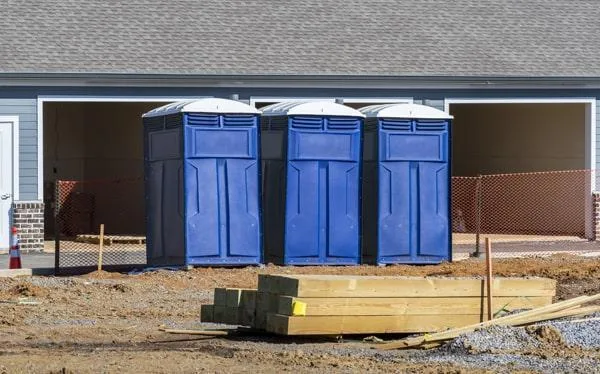
Give each working area usable facilities
A toilet cabin supplies privacy and contained sanitary-waste storage. A washing station supplies a different essential function: water-and-soap handwashing. Choose both where no suitable building facilities are available, and include functional access requirements in the equipment request.
Show the intended users where the facilities will be, particularly when subcontractors arrive at different times. They should not have to guess whether a nearby building bathroom is available or cross an unrelated restricted work area to reach the rental units.
Receive the right units in the agreed positions
The receiving contact should have the equipment list and location instructions. Identify the entrance and the person able to clarify an unexpected obstruction. The standing area needs to work for people using the facilities as well as the vehicle servicing them.
Check that entrances and washing points are usable after positioning, and report a discrepancy before the delivery is treated as complete. Do not improvise equipment moves with jobsite machinery. Changes in position should be discussed with the rental contact.
Keep a simple site-care routine
Make supplies and equipment condition part of normal site observation. The rental service agreement describes the scheduled care; your site contact can notice a problem between visits and report it. Agree where service records or notices will go so an unattended delivery desk does not become the only communication point.
Protect the user approach from storage, parked vehicles and changed fencing. When a work area closes, tell the rental contact whether its facilities are still required elsewhere. The collection instruction should identify the actual units being returned, not merely say that the project is nearly finished.