
Put crew facilities in the project order
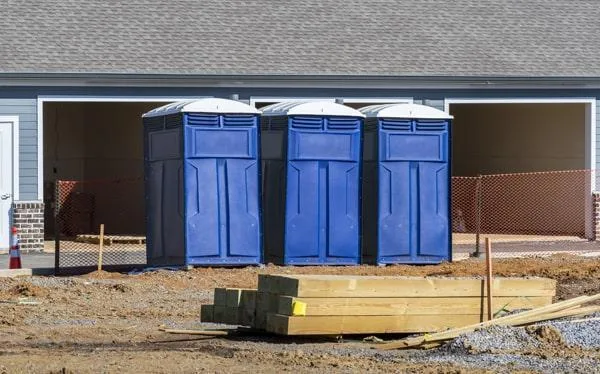
Portable toilets provide bathroom access for people working where permanent restrooms are unavailable or not released for contractor use. Standard cabins cover the basic individual toilet function. Add handwashing, specified accessible units or other equipment according to the workforce and work areas.
Give the rental contact the expected crew pattern, including subcontractors, rather than only the payroll headcount. Explain whether everyone uses one work area or whether facilities need to serve separated locations. A single delivery address can still contain different sanitation requirements.
Separate the equipment scope from the care scope
The written offer should identify the requested unit types and quantities, then describe cleaning, waste servicing and supplies. State the expected hire period and occupied workdays. This makes it possible to compare proposals without treating every cabin-only price description as the same service.
Name the person who can approve changes to the order. The person receiving equipment and the person authorizing an extra unit may be different. Keeping those responsibilities clear avoids a site instruction being mistaken for an agreed extension or additional service.
Keep the rental aligned with progress
Tell the rental contact when another trade, shift or phase changes the number or location of users. Discuss alterations before relocating units or blocking their service approach with materials. A site that becomes busier may need a different equipment or upkeep arrangement.
As the job finishes, identify the people still working after the main crew leaves. Agree which facilities remain and the final collection instructions. Toilet servicing and any construction-debris dumpster are separate work items; request both where needed and review each scope.